Why Everyone is Buying the Piston Classic (Full Review)
Introduction — My experience with the Piston Classic
I've been using the Piston Classic for several months now, and I wanted to write a long-form, honest review from the perspective of someone who actually purchased and lived with these earphones. I bought mine because of the hype — affordable, metal housings, and promises of surprisingly good sound for the price. What I found was a product that, in many ways, punches above its price point but still shows its budget roots in a few places.
I'm not an audiophile who runs measurements every day, but I listen critically: I play a mix of acoustic music, electronica, podcasts, and the occasional movie soundtrack. I commuted with these, used them at home while working, and wore them during short runs. Over the months I tested them with phones, a small DAP, and a laptop to get a feel for how they behave with different sources.
What the Piston Classic is (and isn't)
To be clear, the Piston Classic is a wired in-ear monitor-style earphone. In my experience, it aims to give you a premium metal look and a tuned sound without the premium price. It's not trying to be a reference IEM for critical mixing work, nor is it noise-cancelling or wireless — it's a simple, honest pair of wired earphones designed for everyday listening.
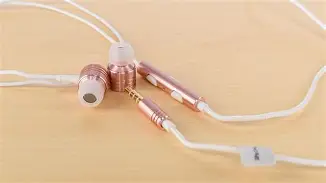
In my usage, the Piston Classic's strongest selling points are its build and overall tonal balance. The housing feels solid and heavier than you'd expect at this price, and the cable, while not perfect, has a pleasant texture and a relatively low tendency to tangle.
Design and build quality
One of the first things I noticed when I unpacked mine was the finish. The metal housings have a matte sheen and small machining details that make them look more expensive than they actually are. I appreciated that — I've had cheaper plastic earbuds that felt fragile right away, but the Piston Classic has survived a few drops and the squeeze of a packed commuting bag without visible dents.
The cable is a soft PVC with light strain relief at the connector points. It isn't cloth-braided, which some people prefer, but in daily life it resisted tangles better than many rubber cables I've used. Microphonics (the rubbing noise transmitted down the cable) is present but not obnoxious; I noticed it when I shifted my jacket or adjusted the cable while walking, but it didn't ruin listening sessions.
The inline remote and microphone are basic but useful. The mic picks up voices clearly on phone calls in quiet environments; in noisier settings it gets a bit thin. The remote is clicky and can feel stiff at first, but it operates reliably for play/pause and answering calls.
Comfort and fit
Fit is a major deal with in-ear monitors. In my experience, the Piston Classic fits a broad range of ear shapes thanks to the included set of silicone tips. I stuck with the medium tips most of the time, but switching to the small tips helped for short runs when I needed a slightly looser fit. The housings are compact enough that they never felt like they were pushing at the concha or causing fatigue during long listening sessions.
One thing I noticed was that the Piston Classic benefits from taking a minute to find the correct insertion angle — once you get a good seal, bass improves substantially. Without a solid seal, bass becomes softer and the sound feels thinner. So, in my experience, spending a little time fitting them is worth it.
Find top-rated Audio & Headphones products at great prices.
View Offers →Sound signature and real-world listening
Here's where most people want specifics. After testing the Piston Classic across genres and sources, what I found was a sound that leans slightly toward a warm, musical presentation with an emphasis on a rounded low end. Detailed impressions:
- Bass: The bass is the Piston Classic's strength. It's punchy and full-bodied without being overly boomy. For pop and electronic tracks, the low end delivers satisfying impact. For bass-heavy EDM, you won't get the absolute deepest sub-bass extension, but you will get a rhythmic and musical bass performance that makes tracks enjoyable rather than fatiguing.
- Mids: Mids are forward and clear. Vocals sit nicely in the mix and remain intelligible even in busy arrangements. Acoustic guitars and pianos sound natural and have a pleasant warmth. I noticed some minor congestion in very dense mixes, but for everyday listening I found the mids very pleasant.
- Treble: Treble is smooth and slightly tamed. You get enough sparkle to keep cymbals and high-hats detailed without being sharp. If you like extremely bright headphones, these won't satisfy you; if you prefer a non-fatiguing top end, you'll appreciate the tuning.
- Soundstage and imaging: The soundstage is intimate rather than wide. Imaging is decent for the class — instruments are placed clearly enough to enjoy arrangements, but the overall sense of space is closer to on-ear earbuds than open-back headphones.
In my experience, the Piston Classic excels with singer-songwriter music, jazz, lo-fi, and most pop. I listened to orchestral pieces and noticed that very complex, layered recordings reveal the limitations of the staging, but they still sounded enjoyable and not muddled.
Durability and long-term impressions
After several months of daily carry and frequent use, the Piston Classic still looks good. The metal finish has acquired a few tiny scratches from keys and my phone, but nothing that impacts function. The cable's strain relief is holding up well at the connector and housing ends. My only long-term annoyance is that the silicone tips started to show oil buildup from skin contact — a simple rinse fixes this, but it's something to watch if you prefer a pristine aesthetic.
I also tested the 3.5mm jack in different devices. The plug fit snugly and didn't wiggle loose in my older laptop or recent phone with an adapter. I did once experience a brief channel balance change when the cable cable near the plug had been sharply bent, but after unbending it the issue disappeared. That said, if you're rough on cables, consider a protective case or cable management habit.
Pros & Cons
Pros
- Well-built metal housings that feel premium for the price.
- Warm, musical sound signature with satisfying bass.
- Comfortable fit for extended listening sessions.
- Inline remote and mic that work reliably for calls.
- Low price-to-performance ratio — excellent value.
Cons
- Soundstage is intimate and not particularly spacious.
- Treble is tamed; detail freaks may find them lacking sparkle.
- Cable microphonics are present though manageable.
- No carrying case included in some retail bundles (I bought mine without one).
How the Piston Classic compares (quick table)
I put together a short comparison table so you can see how the Piston Classic stacks up against two common alternatives I considered when buying: a typical budget plastic earbud and a midrange IEM priced notably higher. These are generalized columns to give a sense of relative strengths.
| Feature | Piston Classic | Typical $15 Plastic Earbud | Midrange $60 IEM |
|---|---|---|---|
| Build quality | Metal housing, sturdy | Plastic, fragile | High-grade metal/plastic, very durable |
| Sound signature | Warm, bass-forward | Muddy bass, thin mids | Balanced and detailed |
| Comfort | Comfortable with correct tips | Depends on shape, often less comfortable | Very comfortable with multiple tips |
| Mic/Remote | Basic, works well for calls | Often poor or missing | Usually high quality |
| Value | Excellent | Low | Good, but pricier |
Buying guide — what to know before you pick one up
If you're considering buying the Piston Classic, here are the practical things I learned that helped me get the most out of them.
1. Prioritize fit over tip aesthetics
What I found was that the wrong tip choice makes the biggest difference in perceived sound quality. A poor seal kills bass and makes the sound thin. Try all included tips and spend a few minutes getting the angle right. If foam tips are an option from a third-party seller, they can improve isolation and bass impact — but I bought mine with only silicone tips and still got good results.
2. Use a decent source
These earphones scale a bit with source quality. I noticed that streaming at higher bitrates or using lossless tracks on a DAP tightened the low end and revealed small mid/treble details I didn't hear on low-bitrate streams. In my experience, pairing them with a modest DAC or a phone with good audio tuning will give the best everyday results.
Shop the latest Audio & Headphones picks on Amazon.
View Offers →3. Routine cleaning
As with any IEMs, earwax and oil build-up on the tips will change the sound and hygiene. I rinse tips weekly and wipe the housings with a soft cloth. Replacing tips every six months if your use is heavy will keep things sounding their best.
4. Manage the cable
The cable is decent but not indestructible. I started using a simple cable clip and an organizer in my bag, which reduced microphonics and prolongs cable life. If you plan to keep them for years, consider picking up a braided upgrade cable if a compatible aftermarket cable exists.
5. Know what to expect
Finally, set expectations: you're getting a very satisfying listening experience for the price, not a flagship-level soundstage or studio reference. In my experience, if you want musical, engaging sound with robust build quality at a bargain price, these deliver. If you need ultra-wide staging or the last bit of treble detail for critical listening, look higher on the price ladder.
Final thoughts and conclusion
After several months with the Piston Classic, what I found was a surprisingly polished little package. I've been using these for commutes, work sessions, and leisure listening, and they held up to daily life better than I expected given the price I paid. The metal housings feel premium, the sound is warm and musical, and vocals are pleasingly present.
There are compromises: the soundstage is intimate, treble is slightly softened for comfort, and cable microphonics exist. But those are balanced by real strengths — durable construction, reliable inline controls, and a sound that makes most of my playlists enjoyable rather than clinical. If you're buying on a budget and value a robust, musical experience, the Piston Classic is one of those rare products that feels like a smart buy rather than a compromise.
In my experience, this is why I've seen so many people, myself included, reach for the Piston Classic: it delivers consistent, enjoyable sound with the kind of build quality that makes it feel like it could last. I was surprised at how often I preferred these to other budget options I previously owned, and for everyday listening they remain my go-to for the price bracket.